EN

+86 139 2073 4749



 EN
The cost of a robotic arc welding system is determined by more than the initial robot price. Welding power source, fixtures, programming, consumables, operator requirements, maintenance, cycle time, and production utilization all affect the total cost of ownership.
For manufacturers considering robotic welding automation, the goal should not be to select the lowest-priced system. A better approach is to reduce the cost per welded part while maintaining stable weld quality and production capacity.
A larger or more complex robot is not always a better investment.
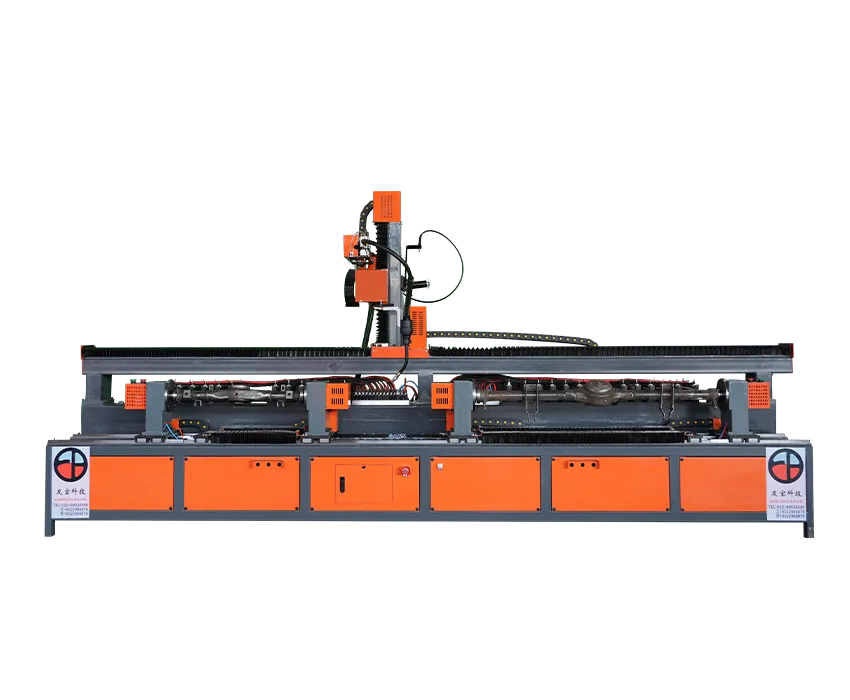
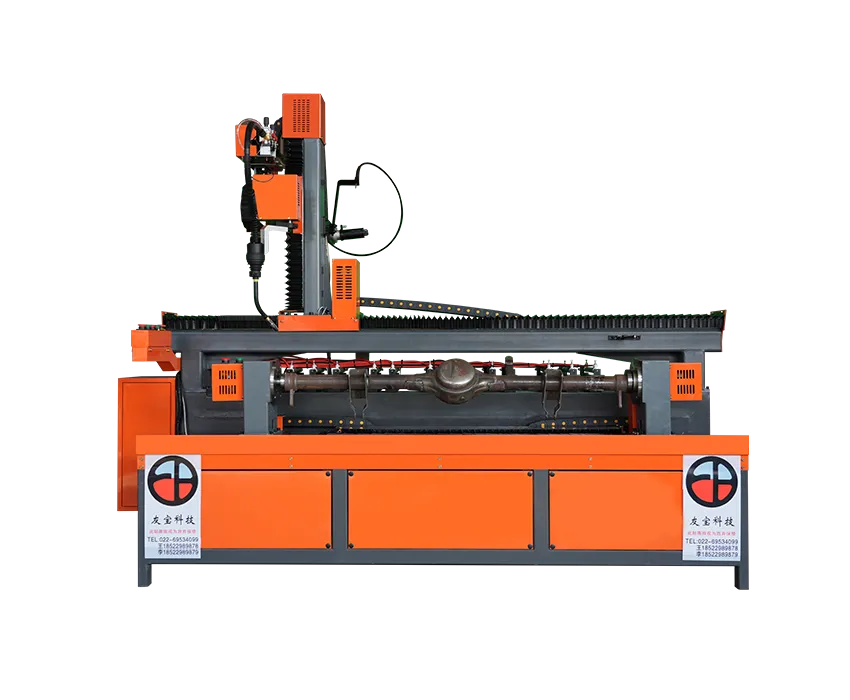
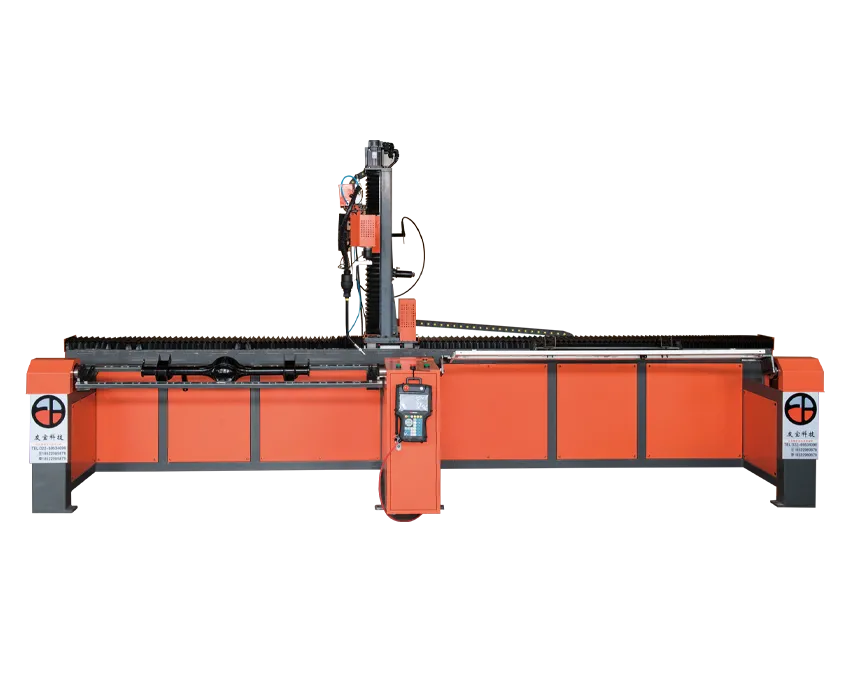
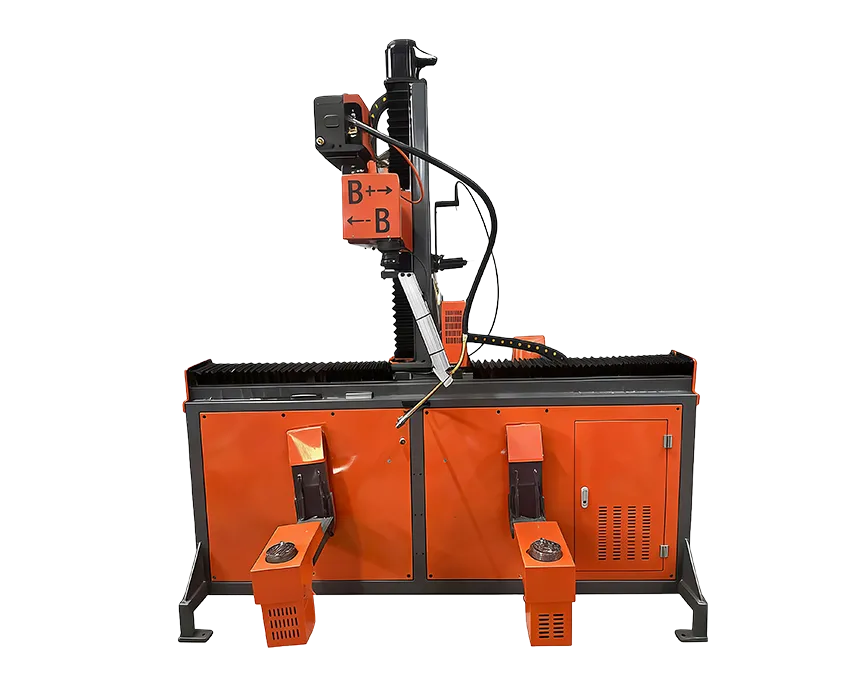
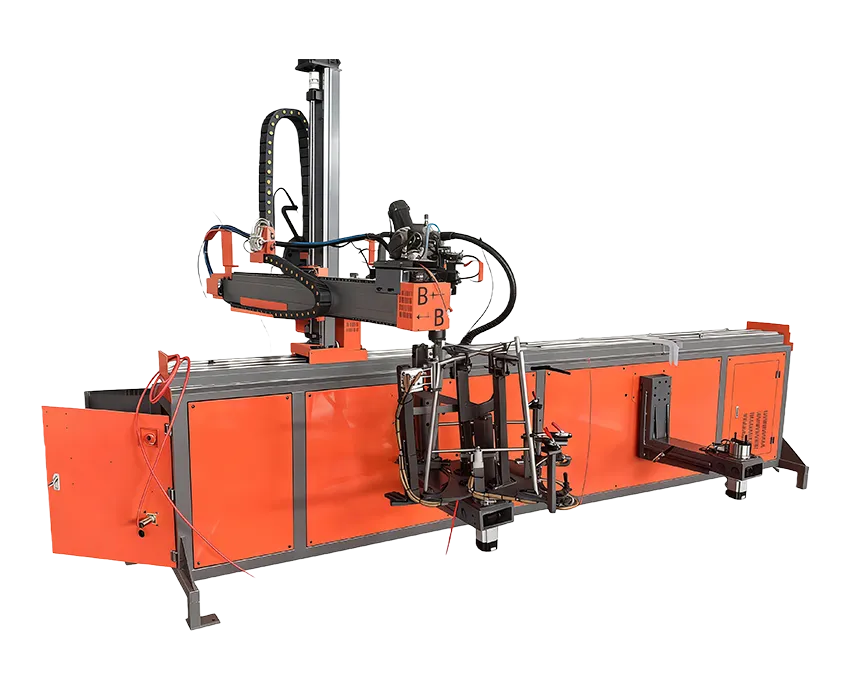
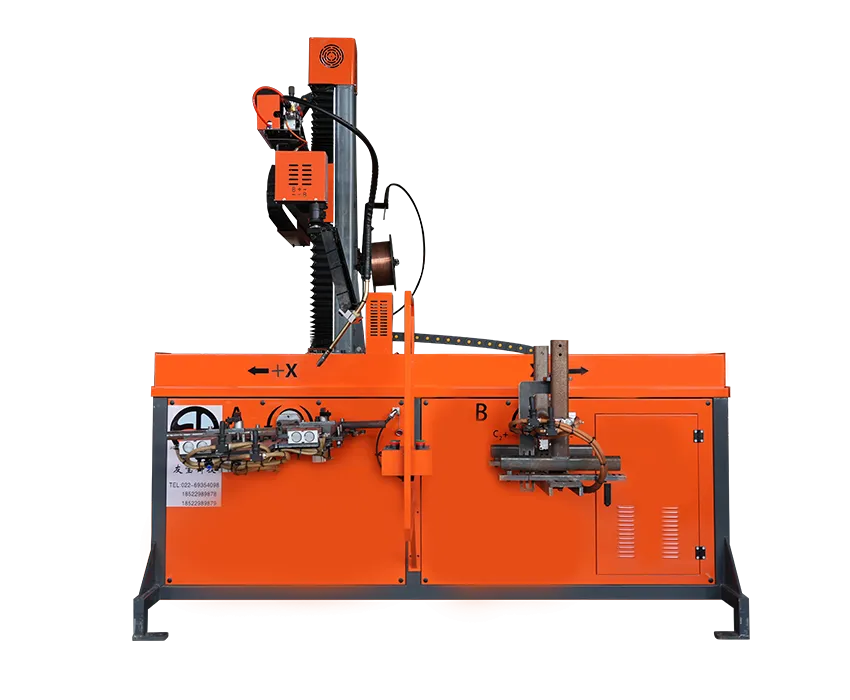
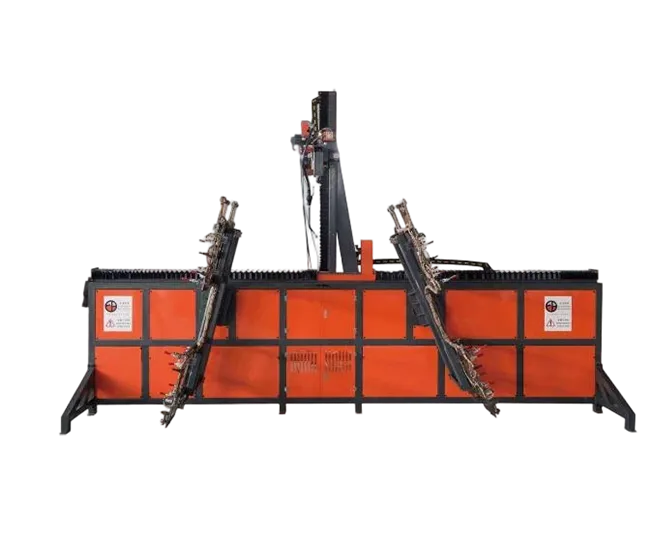
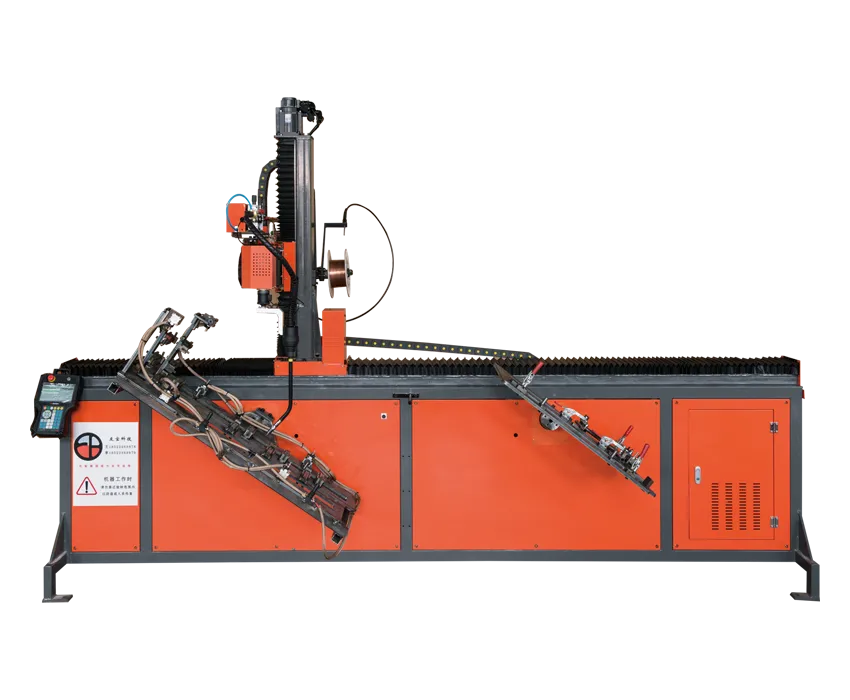
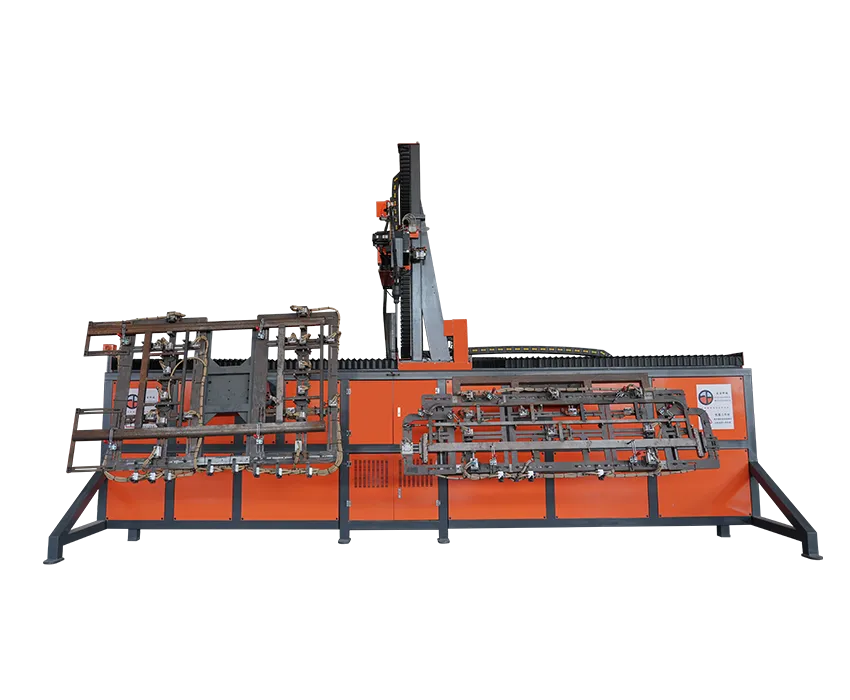
For relatively compact components with straightforward welding paths, a 6-axis welding robot may provide sufficient movement flexibility. More complex parts may justify an 8-axis configuration, while large or long workpieces may benefit from a gantry-type multi-axis welding system.
Selecting the appropriate configuration helps avoid paying for unnecessary working range or motion capability.
Before purchasing, evaluate:
Workpiece dimensions
Welding positions
Number of weld joints
Required reach
Part weight
Production volume
Required cycle time
The fixture has a direct effect on robotic welding efficiency.
A poorly designed fixture can increase loading time, positioning errors, and rework. A well-designed fixture keeps the workpiece accurately positioned and allows the robot to access the welding joints without unnecessary movement.
For repetitive production, consider:
Quick clamping
Repeatable positioning
Easy loading and unloading
Access to all required weld joints
Reduced fixture changeover time
A small reduction in fixture loading time can generate significant savings when thousands of parts are produced.
A welding robot creates value only when it is actually producing.
Long loading times, fixture changes, manual adjustments, wire replacement, and programming interruptions can reduce equipment utilization.
Manufacturers can improve utilization by optimizing the complete workstation rather than focusing only on robot welding speed.
For example, loading the next workpiece while another part is being welded can reduce unnecessary waiting time. Dual-station or rotary positioning solutions may also be considered for suitable production environments.
Incorrect welding parameters can increase wire consumption, shielding gas usage, spatter, grinding, and rework.
The welding process should be optimized for the actual material and joint design. Important parameters include:
Welding current
Welding voltage
Travel speed
Wire feed speed
Shielding gas flow
Torch angle
Welding sequence
The objective is not simply to increase welding speed. Excessive speed can negatively affect penetration and weld quality, while unnecessarily slow welding increases cycle time.
A stable parameter window is therefore essential for controlling production costs.
Rework is one of the hidden costs of welding production.
Excessive spatter may require grinding or cleaning after welding. Inconsistent weld penetration or poor joint positioning can result in additional inspection and repair.
Robotic welding helps maintain consistent torch movement and welding parameters, but the robot must be properly programmed and matched with suitable fixtures and process parameters.
Reducing rework improves both material utilization and production capacity.

Welding wire, shielding gas, contact tips, nozzles, and other consumables contribute continuously to operating costs.
Manufacturers should evaluate consumable consumption rather than purchasing based only on unit price.
For example, a cheaper consumable may not provide a lower overall cost if it produces excessive spatter, requires frequent replacement, or reduces welding stability.
The better target is cost per finished weld, not simply cost per kilogram of welding wire.
When a factory produces multiple similar components, standardized welding programs can reduce setup and programming time.
Programs can be organized according to:
Product model
Material
Joint type
Welding position
Wire specification
Welding parameters
This makes it easier for operators to select the correct program and reduces the possibility of manual parameter errors.
For manufacturers with frequently changing product models, program management can have a significant effect on automation efficiency.
Robotic welding does not mean eliminating operators. However, unnecessary manual intervention should be minimized.
Operators can focus on:
Loading and unloading
Fixture inspection
Program selection
Weld quality checks
Routine equipment monitoring
A well-designed workstation can allow one operator to manage more production activity without compromising safety or quality.
Unexpected downtime can be more expensive than routine maintenance.
Regular inspection of the Carbon Steel Arc Welding Robot, welding torch, wire feeding system, cables, contact tips, nozzles, and other components helps identify problems before they interrupt production.
Preventive maintenance should be based on actual operating hours and component conditions rather than waiting for equipment failure.
This helps extend equipment service life and maintain consistent production availability.
The most useful way to evaluate robotic welding economics is to calculate the expected cost per finished part.
A simple calculation should include:
Cost per Part = Labor + Welding Consumables + Energy + Maintenance + Rework + Equipment Depreciation
Production volume is also important. A robotic system may require a higher initial investment than manual welding, but the cost per part can decrease as utilization and production volume increase.
For this reason, manufacturers should compare the expected total cost of ownership rather than comparing the purchase price of individual machines.
Before selecting a robotic arc welding system, provide the equipment supplier with as much application information as possible.
|
Factor |
Information to Provide |
|
Workpiece |
Material, dimensions, and weight |
|
Welding process |
MIG/MAG or other required process |
|
Joint type |
Fillet, butt, lap, or other joint |
|
Production volume |
Parts per shift/month/year |
|
Weld length |
Approximate welding length per part |
|
Accuracy |
Required positioning and weld quality |
|
Automation |
Loading, unloading, positioning requirements |
|
Workspace |
Available installation area |
|
Product variation |
Number of models and changeover frequency |
This information allows the supplier to recommend a robot configuration, fixture system, welding equipment, and automation level appropriate for the actual production requirements.
Reducing the purchase price of a robotic welding system may lower the initial investment, but it does not necessarily reduce production costs.
A more economical solution should balance:
Equipment Investment + Production Efficiency + Consumable Consumption + Labor + Maintenance + Product Quality
For manufacturers with repetitive welding requirements, the right robotic arc welding system can reduce labor dependence, improve weld consistency, and increase production efficiency.
Juyoubao provides multi-axis robotic welding solutions that can be configured according to workpiece geometry, welding requirements, production volume, and factory layout. Selecting the appropriate system from the beginning can help manufacturers achieve a more predictable return on automation investment.
Contact Juyoubao with your workpiece drawings, material, welding requirements, and expected production volume to discuss a suitable robotic arc welding solution.
Related Products